

Crown & Shadow: Essays from the Chessboard of Power
A study in leadership, archetype, and the silent architecture of the game.
Crown & Shadow is a philosophy of Black family, history, power and legacy, understood through the language of chess.
At its center is a simple belief: the family is our first institution and our first board. It is where we initially encounter authority, belonging, protection, sacrifice, conflict, inheritance and responsibility. Before we learn how to move through the world, we learn or fail to learn, how to hold a position within the family.
On this board, every piece carries a distinct responsibility.
The King is the stabilizing center. He accepts responsibility for the family’s protection, standards, continuity and long horizon. His centrality is not defined by domination, but by consequence: when he is killed, removed or separated from the board, the stability of the entire family is threatened.
The Queen is the family’s advancing and expanding force. Her range allows the family to move across the board, recognize possibilities, adapt to changing conditions and turn stability into progress. The King holds the center; the Queen extends its reach. Their authority is coordinated rather than competitive.
The Bishop represents counsel, faith, wisdom and the ability to see the angles that direct power may overlook. The Knight represents courageous and unconventional movement, the capacity to cross barriers that cannot be overcome by following the expected path. The Rook, or Castle, preserves the family’s structure through boundaries, rituals, traditions and inherited ways of knowing.
The pawns represent children and emerging generations. They do not begin without value; they begin without completion. Properly protected, taught and allowed to advance, they carry the potential to become more than the position into which they were born.
These ideas sometimes appear directly in our work. At other times, they move beneath the surface of a historical story, a family conversation or an examination of institutional power. But the board is always present.
Crown explores stewardship, construction, inheritance and the visible responsibilities of leadership. Shadow examines preparation, protection, pressure, blind spots and the difficult truths families must confront if they intend to endure.
Through essays, historical reflections, family scenes and perspectives from contributing writers, Crown & Shadow asks a lasting question:
What must Black families build, protect and pass forward so that the next generation inherits more than survival?
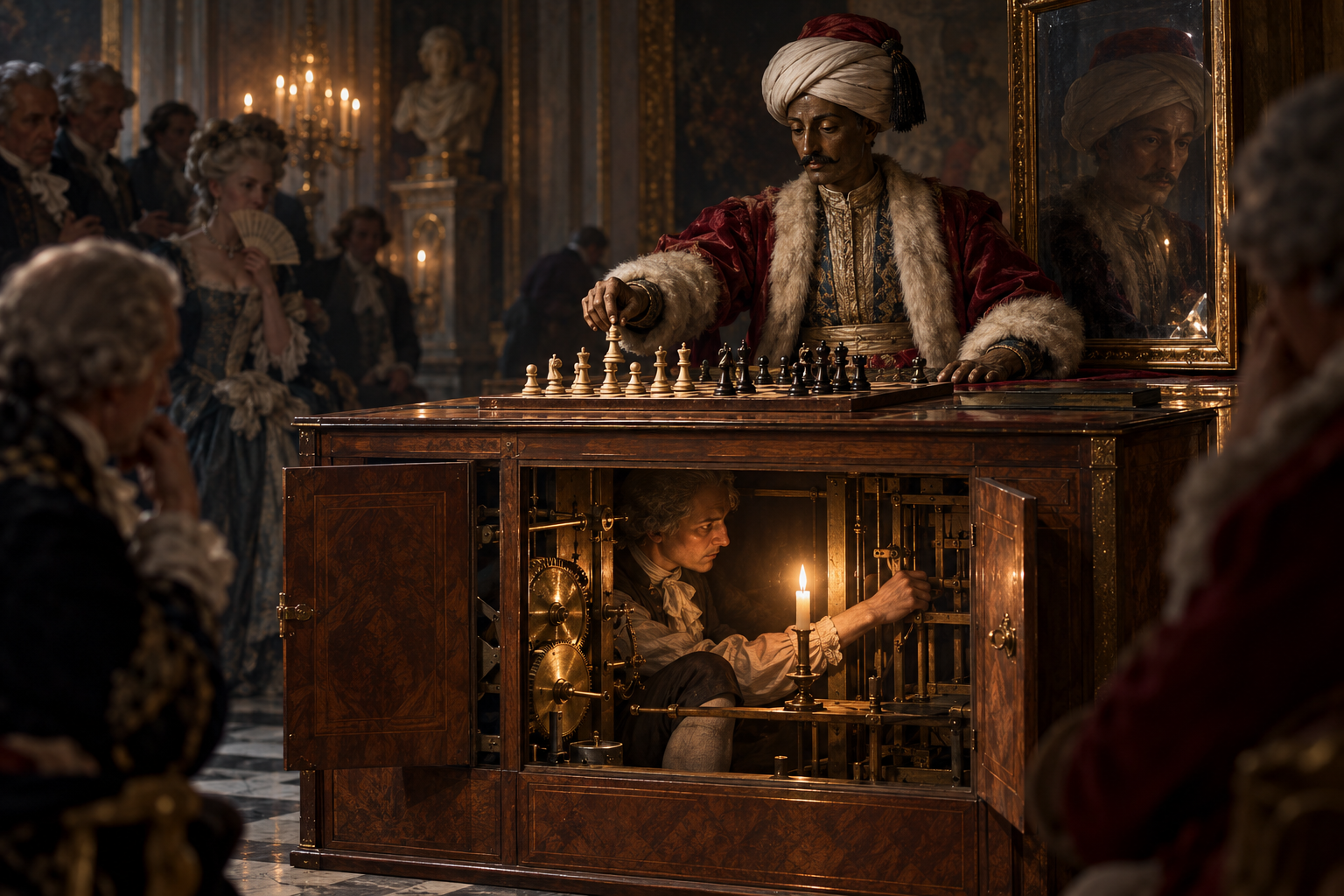
The Cabinet and the Mirror: Capability, Responsibility, and the Human Image
As machines grow more capable of reproducing work once considered uniquely human, the deeper question is not what they can do, but what remains ours to answer for. This essay explores intelligence, responsibility, mortality, inheritance and the human purpose technology cannot define for us.
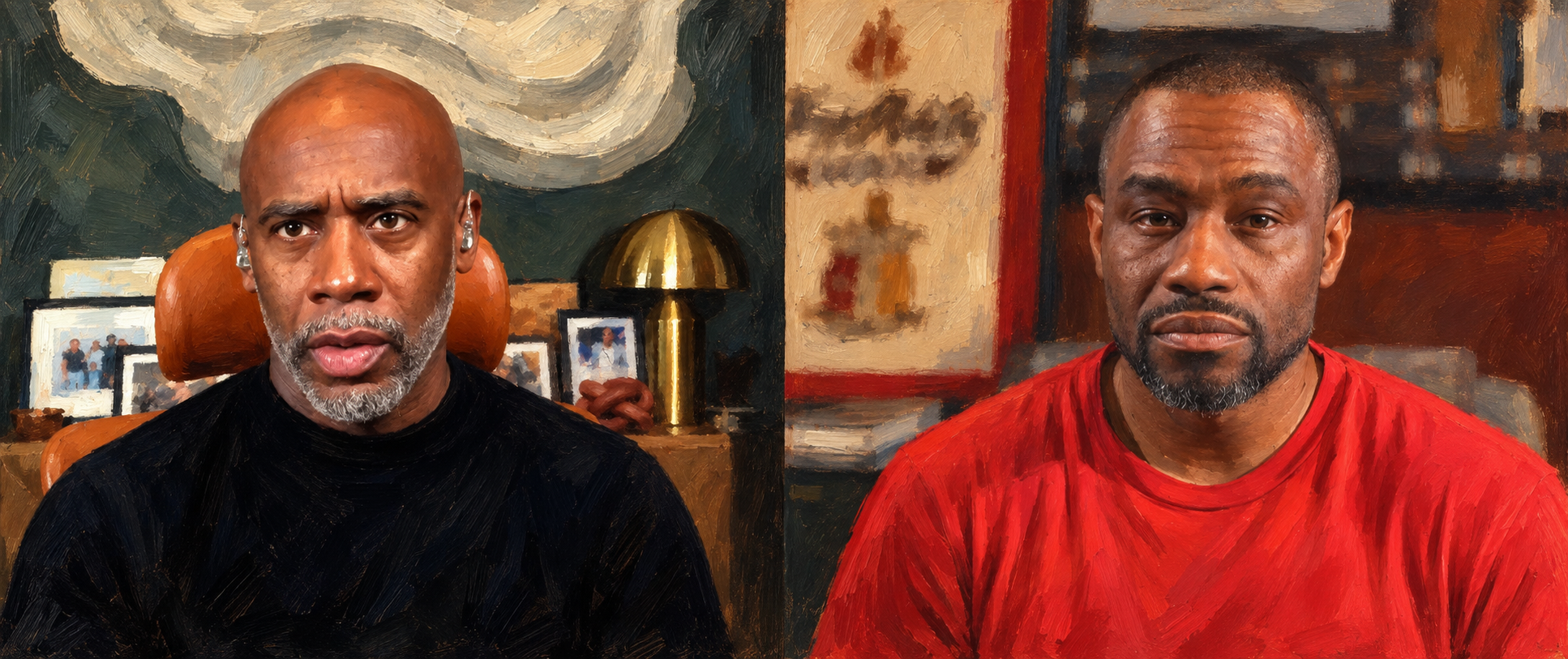
We Are in Here With You: Black Men, Political Agency, and the Power of Being Heard
What if the political challenge facing Black men is not turnout, but listening? This essay explores Black male agency, political self-definition, family, power, and what changes when Black men begin articulating their own agenda.
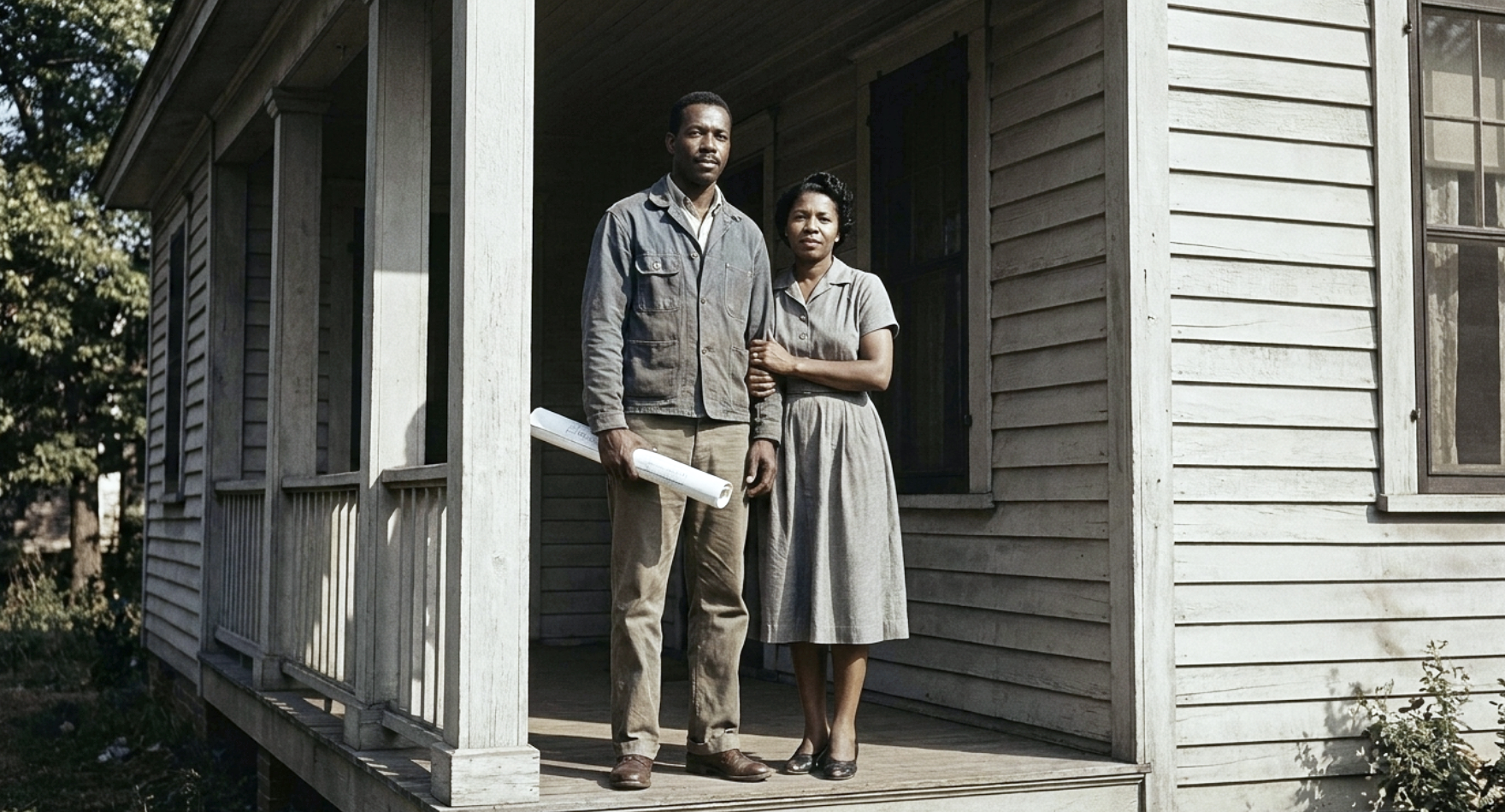
The Prepared Field: Strategic Discipline at the End of a Drought
Real sovereignty is built in the dry season, not when the storm clouds break. Drawing from the historic 1863 Beaufort land strategy and the lessons of modern capital flows, this essay examines why sudden opportunity demands pre-selected targets, purified ledgers, and pre-built holding structures rather than frantic, reactive motion.
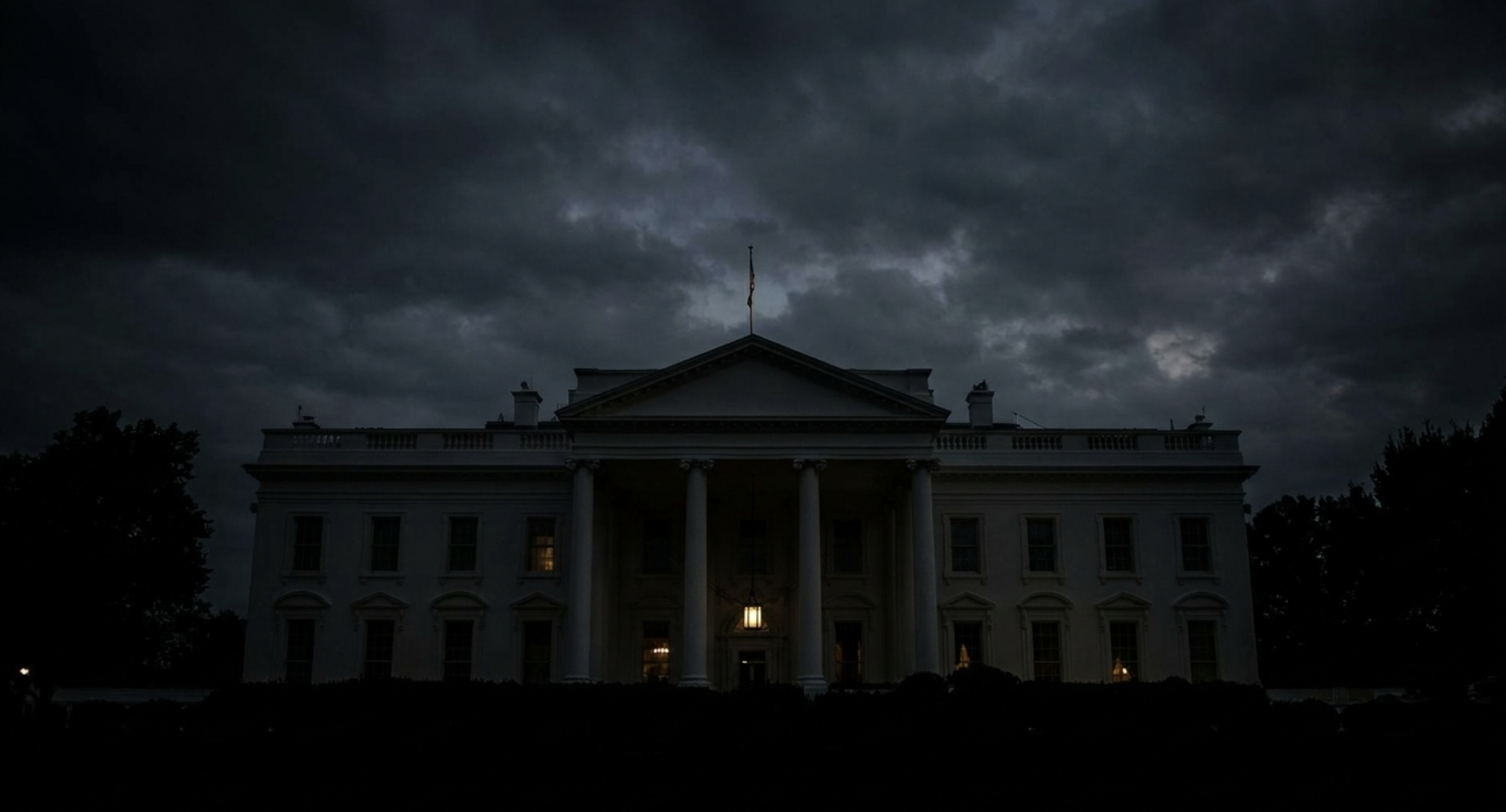
What Kind of President Does the Hour Require?
Presidential greatness cannot be measured by popularity or legislative volume alone, but by executive fitness, whether a leader’s dominant method of exercising power matches the demands of the historical hour. Examining American statecraft through the mechanics of chess, this essay evaluates the constructive gifts and predictable shadows of six executive archetypes, offering a diagnostic model for citizens assessing leadership in times of transition.
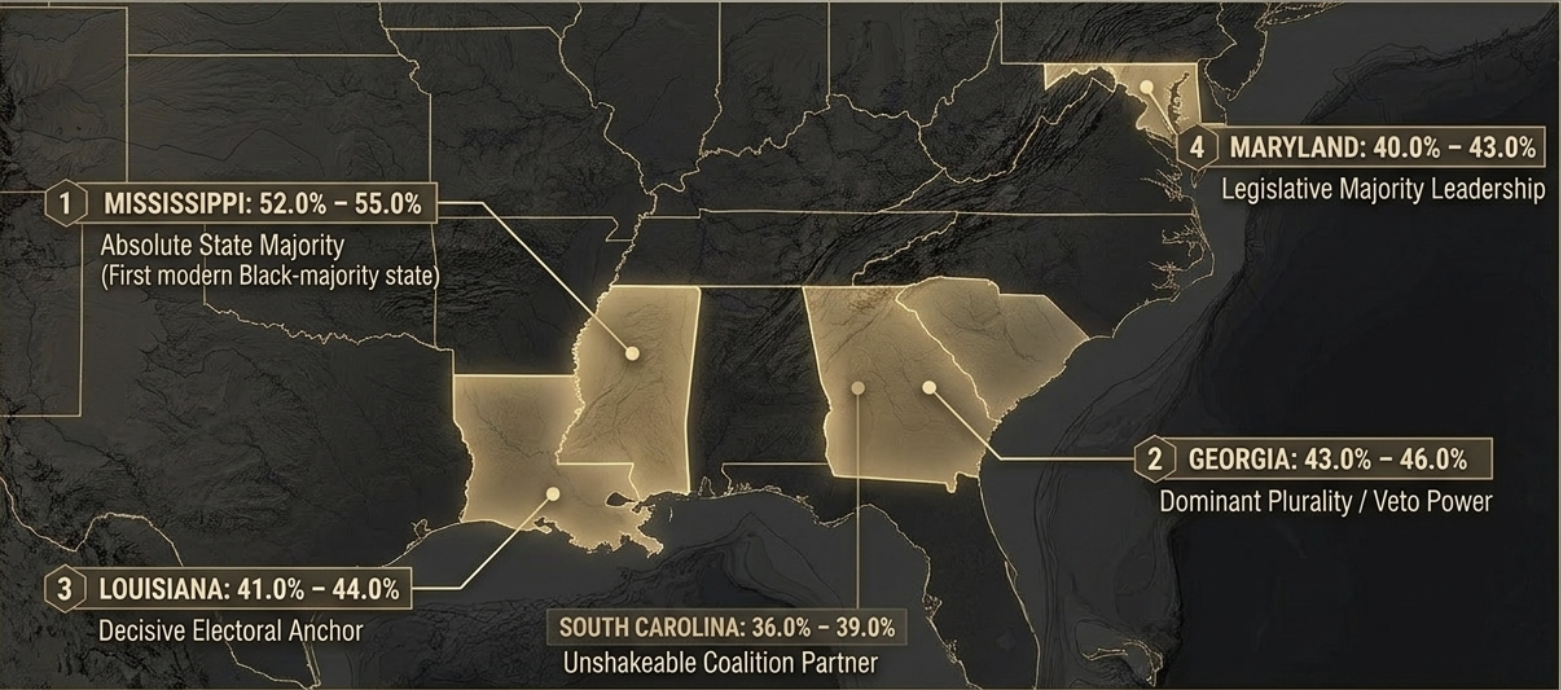
The Omitted Index: What a Missing Variable Reveals About Power and Wealth
While civil rights scorecards evaluate the outputs of inequality, they routinely ignore two foundational drivers of lasting leverage: the health of the marital home and the geographic power of demographic density. Exploring the omitted metrics of the 2026 State of Black America report, this analysis reveals how the flattening of population growth altered state-by-state majorities, created political vacuums for competing interest groups, and enabled economic policies that systematically drained community wealth.
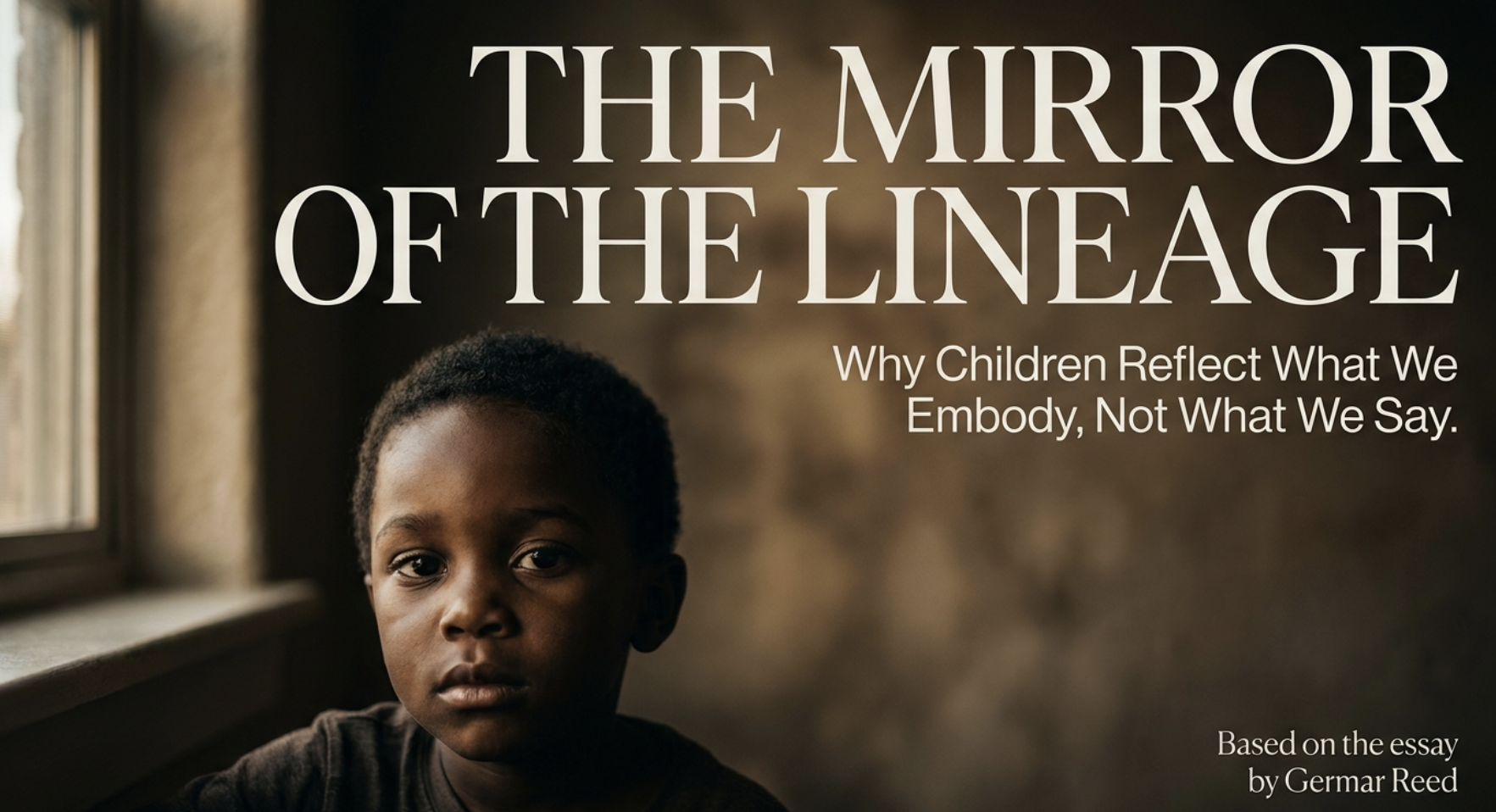
The Mirror of the Lineage: Why Children Reflect What We Embody, Not What We Say
When an orchard produces bitter fruit, an arborist examines the soil, not the apples. Yet when a child struggles, society pathologizes the child while redefining family structure to shield adult choices from accountability. Exploring domestic embodiment and generational self-respect, this essay reveals why children do not become what we tell them, they become what they witness us live.
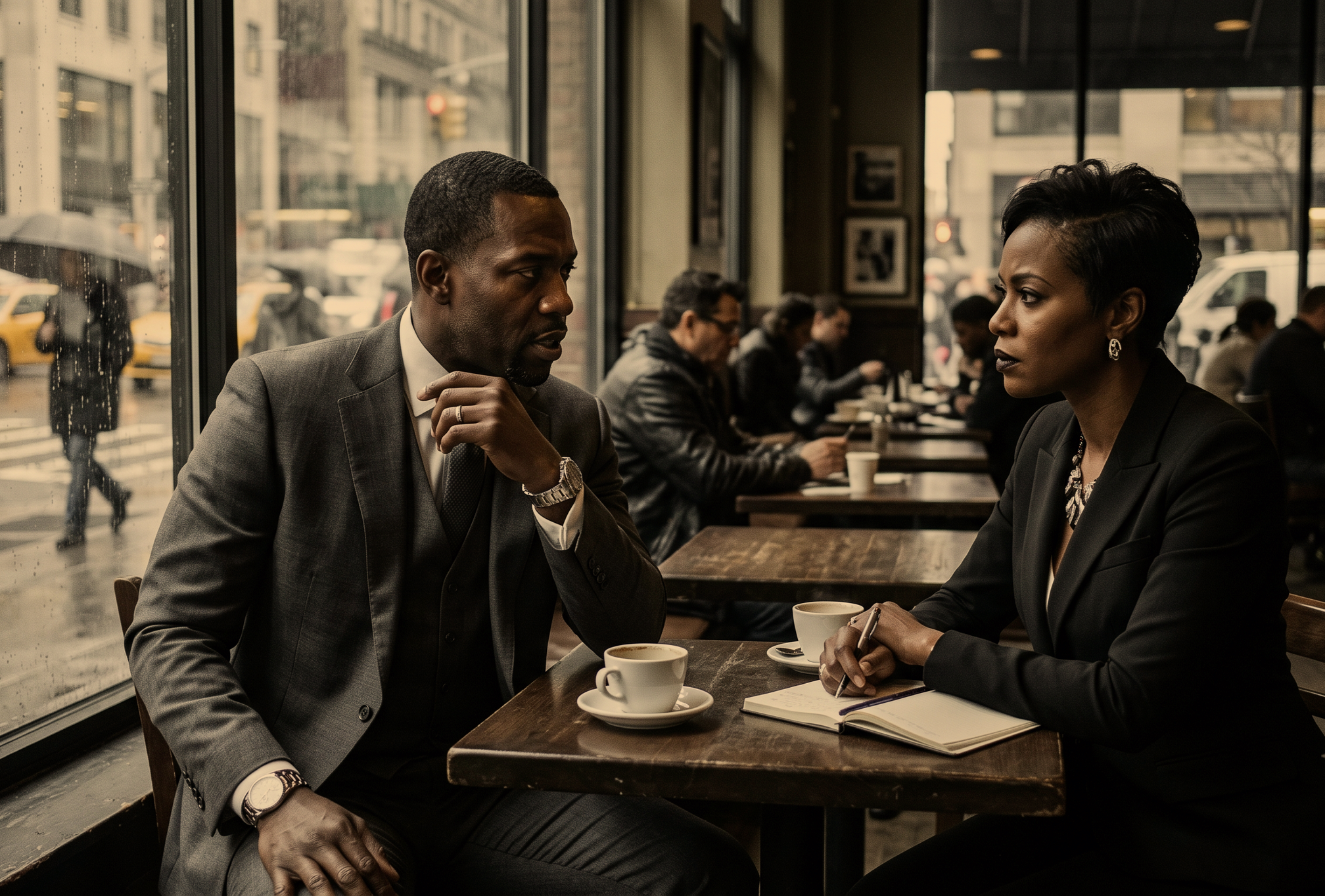
The Stratified Escalator: Where Black Talent Must Align in the Age of Retrenchment
The defining roadblock for Black professional advancement is not a lack of individual ambition, but the organizational sorting of minority talent into supportive staff roles—such as human resources, legal, and compliance, rather than revenue-generating line roles with direct profit-and-loss (P&L) responsibility.
While line tracks provide the transparent fiscal metrics and visibility required to ascend to the C-suite , underrepresented minorities remain heavily concentrated in staff functions at 59 percent , which carry a 14 percent lower mean compensation ($180,727 compared to $207,005 for line roles). This operational segregation stems from a historical civil rights compliance playbook that structural literature terms a “corporate ghetto” , leaving fewer than 10 percent of senior P&L leadership roles in the Fortune 500 occupied by Black professionals as of 2019.
For minority women, a perverse economic paradox further complicates this track: they are the only demographic group that earns more on average in staff positions ($168,016) than in line positions ($145,736) , creating a short-term financial disincentive to transition that quietly locks them away from core commercial decision-making power. True professional sovereignty demands that the modern strategist look past superficial corporate headcount, abandon the passive insulation of advisory roles, and aggressively claim direct accountability over revenue and capital allocation.

The Twin Impostors: Why Black People Must Play the Whole Board
We find ourselves caught in a quiet, structural vice between two dominant political agendas, neither of which has the preservation of our families at heart. We are standing in an environment where the forces of the day seek to neutralize our households as raw material for external interests. On one hand, we see a conservative push to dismantle the federal apparatus, the very procurement contracts and departments that historically served as the primary wealth engine for the Black middle class, establishing prosperous enclaves like those in the D.C. suburbs.
On the other hand, we face a progressive movement that readily mobilizes our moral authority to advance alternative cultural agendas, promising to support our causes at a later date that never arrives, while actively sidelining traditional family values. They use our communities as political fuel, only to ignore us when the objective is won.

The Hearth and the Horizon: The Structural Battle for the Black Family
While CDC data soundly dismantles the cultural myth of the "deadbeat Black father," the structural reality remains: nearly half of all Black children grow up without a father under the roof. This poignant analysis examines how 1960s welfare policies subverted the patriarch for a synthetic state provider, and outlines the urgent strategic necessity of restoring both the sanctuary and the forge to the modern home.
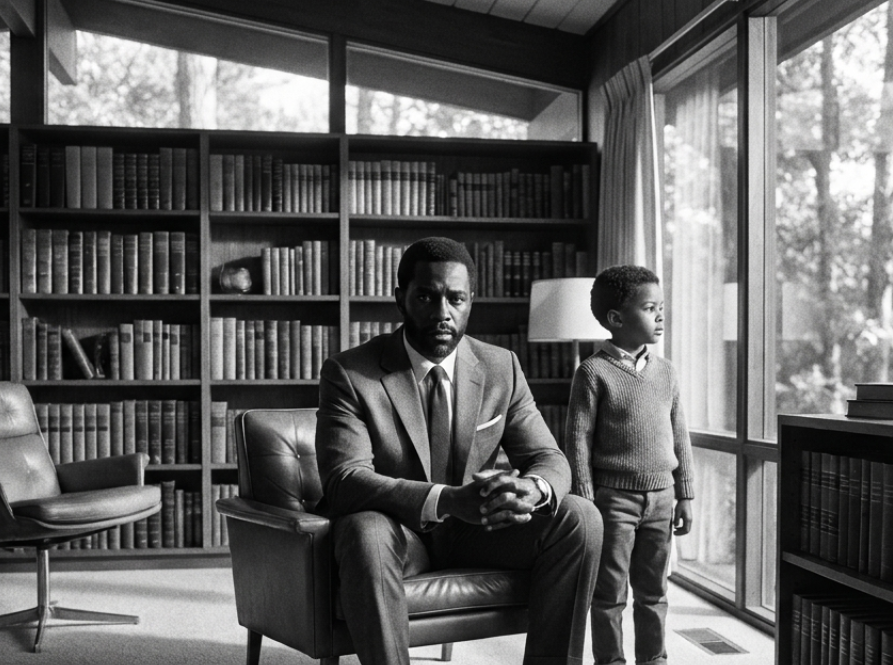

Inheritance, Armor, and the Tragic Choice of Fatherhood
As social and institutional frameworks contract, Black fathers face an unyielding, silent trade-off rooted in a century-old historical schism. Do you raise an inheritor for an open sky, or forge a soldier for an endless winter? Germar Reed exposes why the middle ground is an illusion, forcing an urgent choice between the philosophies of Du Bois and Washington.
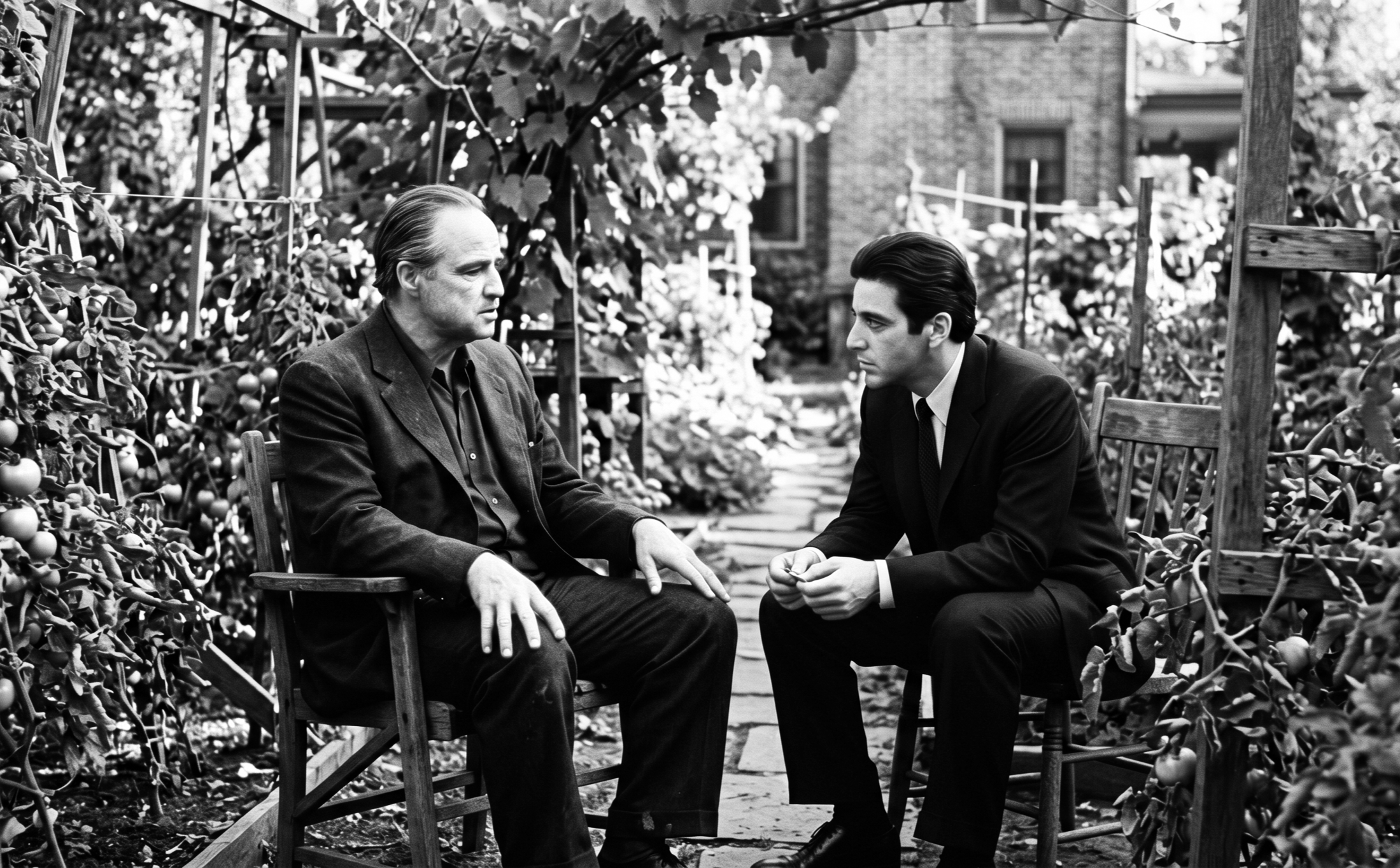
The Weight of the Throne: On the Pathological Descent from Stewardship to Survival
One might observe that the tragedy of the Corleone enterprise is not one of violence, but of orientation. We are moving away from the "Steward", the leader who views their role as the preservation of an enduring sanctuary, and toward the "Manager of Force", the leader who views the organization as a vehicle for their own survival. When the center of authority ceases to be an anchor for the community and becomes a bunker for the self, the institution does not merely change; it begins to die from within.

Stony the Road We Trod
As a new generation of graduates enters an era of economic vertigo, we are reminded that the Black American has never relied on fair-weather stability. While the broader culture reels from the loss of an ephemeral security, we return to the ancestral logic of the 'steady beat'—a structural endurance forged not in the absence of the storm, but at its very center.
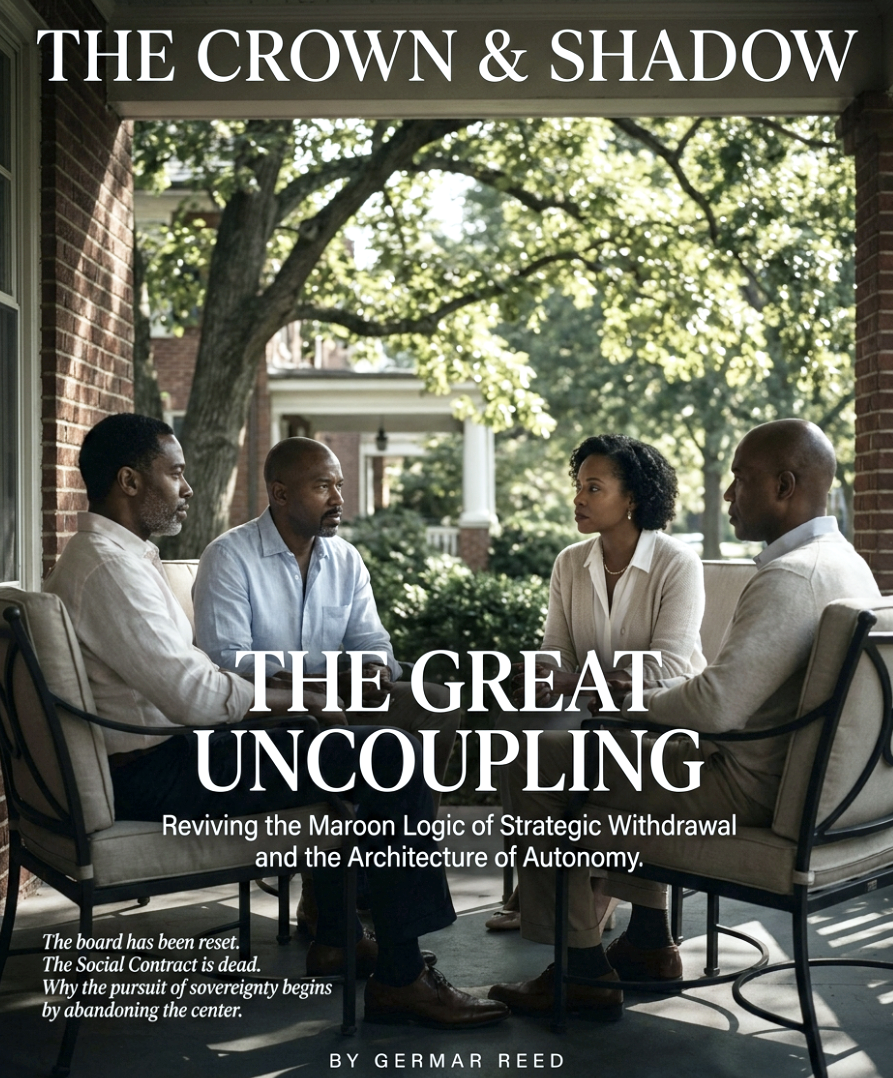
The Great Uncoupling
Excerpt: As the American social contract is systematically uncoupled in the spring of 2026, the Black Diaspora must pivot from the performance of integration to the logic of the runaway. Drawing upon the "Deep Time" of the Maroon colonies and the resilience of Reconstruction-era local dominion, this inquiry examines the architecture of the Clearing, a parallel society of school pods, land trusts, and defensive stillness. It is a blueprint for a modern Black Wall Street, where self-determination is no longer requested from a hostile center, but possessed through the strategic subversion of the new enclosure.

The Meta-Shift: How the Pawn Operates
In 18th-century Paris, André Philidor redefined the physics of power by declaring the pawn the "soul of the game." This inquiry explores the "Operational Logic" of the Pawn: the archetype of directional totality, compounding persistence, and the architecture of the possible. Discover how to utilize the power of the mundane to trigger a radical Meta-Shift, turning the grind of the small move into an inevitable transformation.
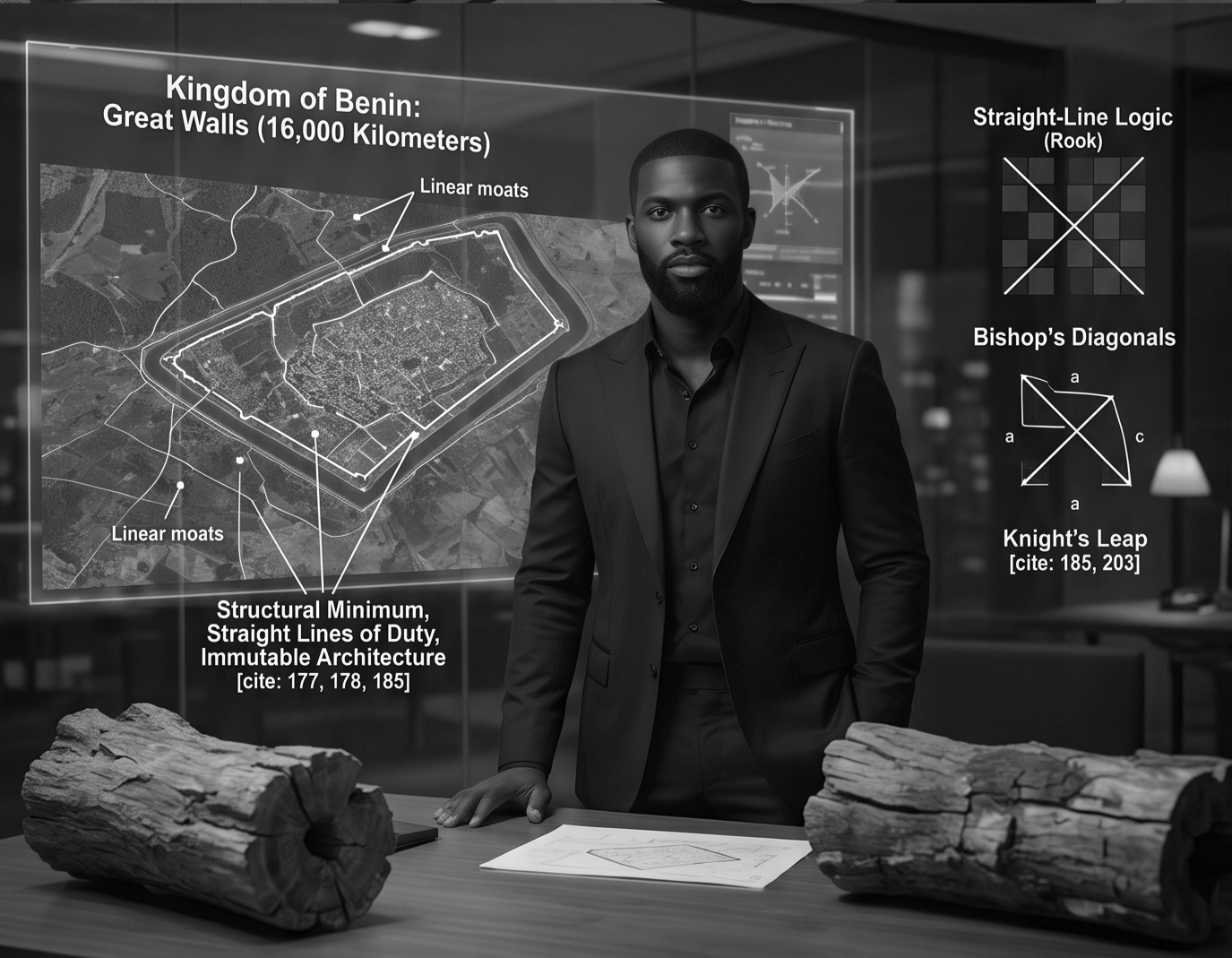
The Unyielding Wall: How the Rook Operates
In the late 15th century, Oba Ewuare the Great carved a mathematical statement of sovereignty into the earth of Benin. This inquiry explores the "Operational Logic" of the Rook: the archetype of structural integrity, reliability as power, and the unglamorous labor of the bastion. Discover how to transition from the pathology of the fluid to the power of the immutable, building the architecture that ensures a legacy survives the chaos of the forest.

The Pattern Break: How the Knight Operates
In the pre-dawn mist of Charleston Harbor, Robert Smalls did not escape through a straight-line flight; he executed a "disguise of proximity" that the system was not programmed to calculate. This inquiry explores the "Operational Logic" of the Knight: the archetype of non-linear literacy, structural blind spots, and the precision leap. Discover how to transition from the pathology of the linear to the power of the unconventional, breaking the patterns of institutional calcification to move where others cannot.

The Diagonal Strike: How the Bishop Operates
In the sweltering heat of 1791, Benjamin Banneker did not challenge the American Project with a frontal assault; he utilized the "diagonal" pressure of an undeniable intellectual reality. This inquiry explores the "Operational Logic" of the Bishop: the archetype of atmospheric intelligence, contextual architecture, and the mastery of angles. Discover how to transition from the pathology of the direct to the power of the oblique, shifting the frame of the conversation before the first move is ever made.

The Kinetic Engine: How the Queen Operates
In the paralyzed silence of 1900 Kumasi, Yaa Asantewaa erupted to become the board’s multi-directional strike. This inquiry explores the "Operational Logic" of the Queen: the archetype of reach, universal translation, and spatial literacy. Discover how to transition from aimless velocity to the kinetic imperative, bridging disparate worlds while navigating the specific burdens of high-stakes visibility in the modern theater of power.
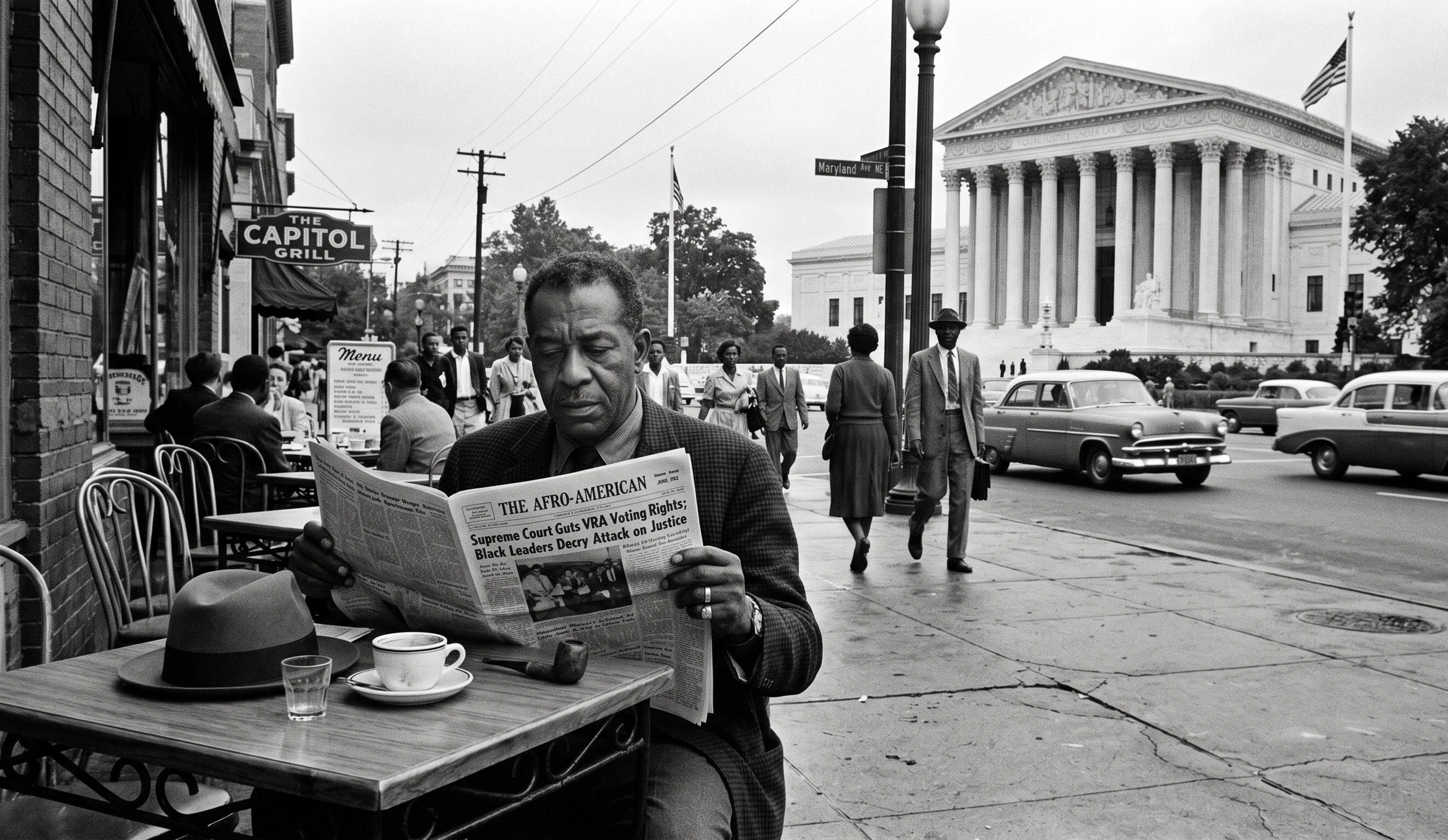
The Hand that Feeds, the Hand that Starves:
In the hallowed halls of St. George’s in 1787, Richard Allen walked out not to find another church, but to build a world of his own.
As modern legal protections are dismantled by a cold, rhythmic judicial logic, we must reckon with an ancient, unyielding truth: a community that relies on an external hand for its bread is a community that lives at the mercy of that hand's closure. This inquiry explores the necessity of reclaiming our internal foundations, the father as anchor, the church as bastion, and the family as the axis of survival, that integration tempted us to neglect. It is a call to move from the performance of the bloom to the mastery of the soil.
About the Author
Germar Reed is a husband, father, writer, Marine Corps veteran and data and analytics executive. A lifelong student of Black history, family history and institutional power, he created Crown & Shadow to examine how Black families establish order, withstand pressure and pass strength, wisdom and possibility from one generation to the next. His writing uses history as evidence and chess as a language for understanding responsibility, protection, strategy and legacy.