
Crown & Shadow: Essays from the Chessboard of Power
A study in leadership, archetype, and the silent architecture of the game.
Who Are You on the Board?
Beyond titles and status lies a deeper architecture of leadership.
Most leadership manuals focus on the "how." We focus on the "who."
Crown & Shadow explores the six archetypes of the human struggle: from the King’s agonizing stillness to the Pawn’s unglamorous long march toward rebirth. Whether you are anchoring a center that cannot fall or leaping over obstacles as the Knight, you are part of a choreography as old as time.
Stop playing the game you were told to play. Start understanding the board you are actually on.

The Meta-Shift: How the Pawn Operates
In 18th-century Paris, André Philidor redefined the physics of power by declaring the pawn the "soul of the game." This inquiry explores the "Operational Logic" of the Pawn: the archetype of directional totality, compounding persistence, and the architecture of the possible. Discover how to utilize the power of the mundane to trigger a radical Meta-Shift, turning the grind of the small move into an inevitable transformation.
The Unyielding Wall: How the Rook Operates
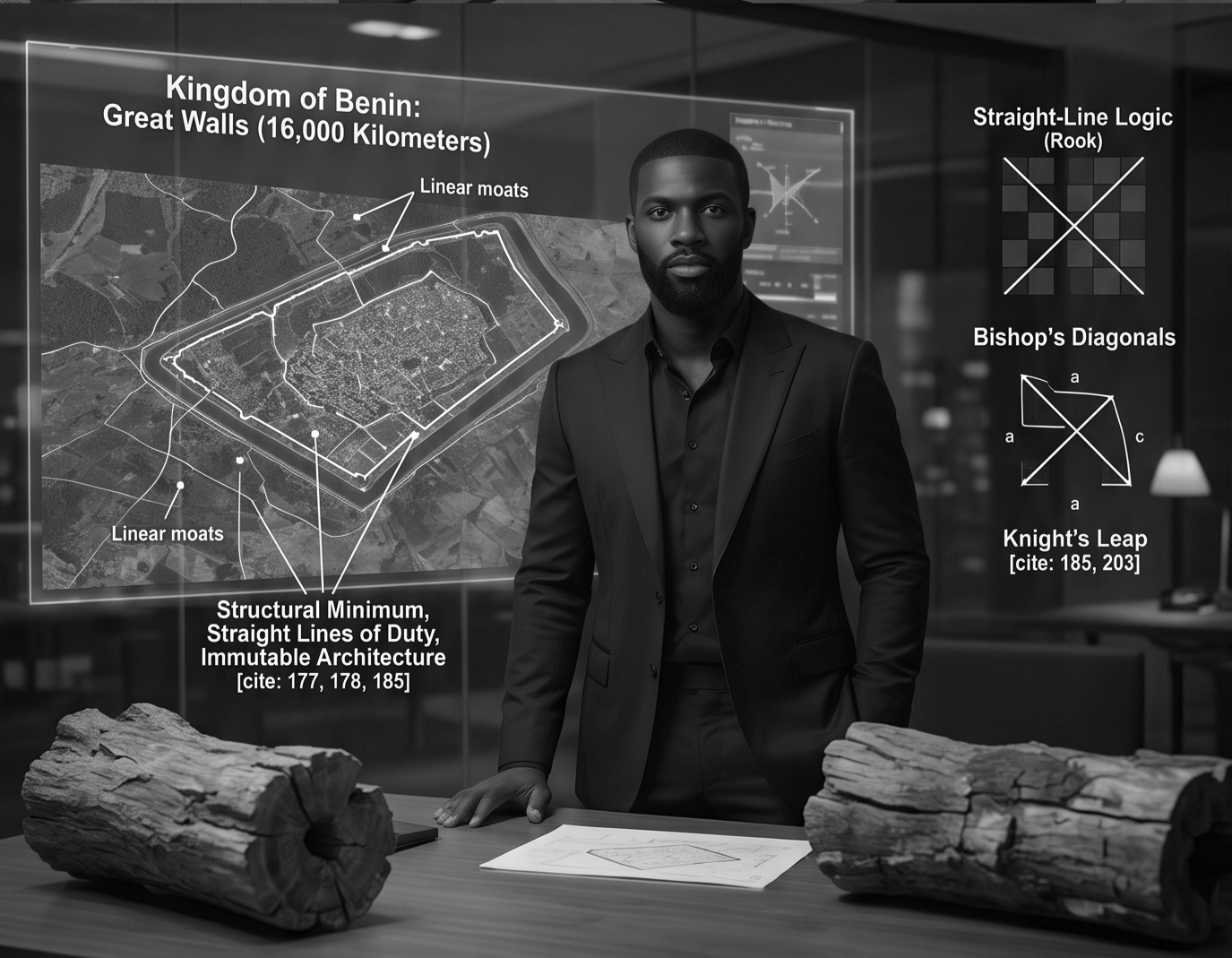
In the late 15th century, Oba Ewuare the Great carved a mathematical statement of sovereignty into the earth of Benin. This inquiry explores the "Operational Logic" of the Rook: the archetype of structural integrity, reliability as power, and the unglamorous labor of the bastion. Discover how to transition from the pathology of the fluid to the power of the immutable, building the architecture that ensures a legacy survives the chaos of the forest.

The Pattern Break: How the Knight Operates
In the pre-dawn mist of Charleston Harbor, Robert Smalls did not escape through a straight-line flight; he executed a "disguise of proximity" that the system was not programmed to calculate. This inquiry explores the "Operational Logic" of the Knight: the archetype of non-linear literacy, structural blind spots, and the precision leap. Discover how to transition from the pathology of the linear to the power of the unconventional, breaking the patterns of institutional calcification to move where others cannot.

The Diagonal Strike: How the Bishop Operates
In the sweltering heat of 1791, Benjamin Banneker did not challenge the American Project with a frontal assault; he utilized the "diagonal" pressure of an undeniable intellectual reality. This inquiry explores the "Operational Logic" of the Bishop: the archetype of atmospheric intelligence, contextual architecture, and the mastery of angles. Discover how to transition from the pathology of the direct to the power of the oblique, shifting the frame of the conversation before the first move is ever made.

The Kinetic Engine: How the Queen Operates
In the paralyzed silence of 1900 Kumasi, Yaa Asantewaa erupted to become the board’s multi-directional strike. This inquiry explores the "Operational Logic" of the Queen: the archetype of reach, universal translation, and spatial literacy. Discover how to transition from aimless velocity to the kinetic imperative, bridging disparate worlds while navigating the specific burdens of high-stakes visibility in the modern theater of power.

The Sovereign Axis: How the King Operates
To operate as a King is not to occupy a position of privilege, but to accept a position of gravity. In an era defined by centrifugal pathology and performative hustle, this inquiry explores the "Operating Logic" of the unmoving center. Discover how the Sovereign Archetype maintains the board’s alignment through non-reactive presence, the power of the vacuum in negotiation, and the necessary weight of the silent crown.
About the Author
Germar Reed is a strategist, storyteller, and student of archetypes. He writes at the intersection of leadership, emotional intelligence, and symbolic power, seeking not to impress, but to illuminate. His work draws from myth, philosophy, and the quiet disciplines of presence. He believes that true influence begins not with charisma, but with character.